Texture is one of the quiet details that can make an interior feel complete. A room can have beautiful architecture, carefully selected furniture, and a refined color palette, yet still feel flat if there is not enough variation in texture. Layering textiles and natural materials creates depth, softness, and visual interest while making a home feel more comfortable and inviting. For me, texture is not about adding more decoration. It is about creating balance between the harder architectural elements of a space and the softer, more tactile elements that make a home feel lived in.
Why Texture Matters in Interior Design
Texture engages more than just our sense of sight. We instinctively understand how linen feels, how a wool rug feels beneath our feet, or how a velvet chair might feel to the touch. This sensory quality is an important part of creating an interior that feels welcoming. Texture also helps establish visual balance. Smooth cabinetry, stone countertops, metal, and glass can provide a clean architectural foundation, while wood, wool, linen, leather, and other textiles introduce warmth and softness. The most successful interiors are rarely made up of one type of surface. Instead, they combine materials with different levels of texture so the room feels layered without feeling busy.
Start with the Architecture
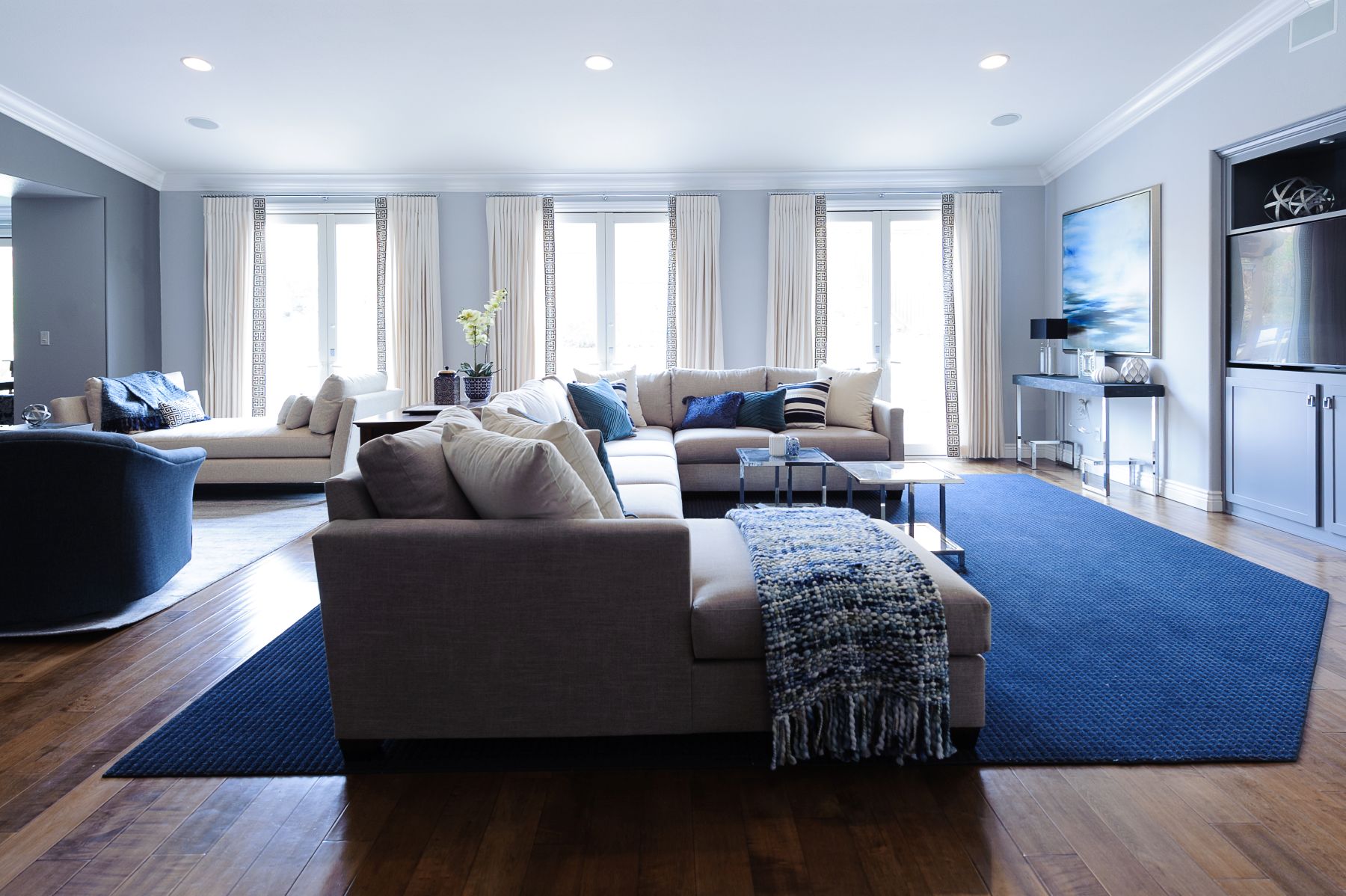
Before adding decorative textiles, I look at the architecture and permanent materials of a space. Flooring, cabinetry, countertops, tile, millwork, and lighting establish the foundation of an interior. Once those elements are considered together, textiles can be introduced to soften the composition and add another layer of depth. This is especially important in contemporary interiors, where clean lines and simple forms can sometimes feel too hard or visually cool without the right balance of natural materials and textiles. A textured wool rug, tailored linen upholstery, or a woven window treatment can soften a space without compromising its architectural clarity.
Rugs: The Foundation of a Layered Interior
Rugs are one of the most effective ways to introduce texture because they occupy a large visual area and help define the relationship between furniture and architecture. When selecting a rug, I consider much more than its color or pattern. Scale, proportion, fiber, construction, durability, and the way the rug will be used all matter. Natural fibers such as wool are particularly versatile. Wool is durable, comfortable underfoot, and naturally resilient, making it a practical choice for many living spaces. A rug can also establish the direction for the rest of the room. A subtle woven texture may complement a minimalist interior, while a more dimensional or patterned rug can become an important focal point within a quieter palette. The goal is not necessarily to make the rug stand out. Sometimes its role is simply to bring the furnishings together and make the room feel more grounded.
Upholstery and Window Treatments
Textiles become even more important once furniture and window treatments are introduced. Upholstery fabrics can dramatically change how a piece of furniture feels. Linen and linen blends create a relaxed, natural quality, while wool, cotton, leather, and other fabrics each contribute a different character to a room. Window treatments are another opportunity to add texture without introducing visual clutter. Drapery, woven shades, and other tailored treatments can soften windows, control light, and add warmth while supporting the overall architecture of the room. I prefer textiles that feel intentional rather than overly decorative. The fabric should work with the proportions, materials, and character of the space rather than compete with them.
Layering Pillows and Throws with Intention
Smaller textiles can provide the finishing layer. Pillows and throws are useful for introducing subtle changes in texture, color, and pattern. A smooth leather chair, for example, can feel more inviting when paired with a textured wool or woven pillow. The key is restraint.
Rather than filling a room with multiple decorative fabrics, I prefer to create contrast through a few thoughtfully selected pieces. One substantial woven throw or a pair of beautifully textured pillows can have more impact than an excess of accessories. This approach also makes it easier to create an interior that feels timeless rather than tied to a particular decorating trend.
Consider How You Live
Beautiful textiles still need to work for everyday life. When selecting fabrics, I consider how a space will be used, who will use it, and how much maintenance the homeowner is comfortable with.
A delicate fabric may be appropriate for a formal sitting room that receives occasional use, while a busy family room may require a more durable or washable textile. Pets, children, entertaining, sunlight, and frequency of use can all influence the right fabric selection. Performance fabrics have also evolved considerably, offering practical options without necessarily sacrificing the refined appearance of natural materials. The best textile is not simply the most beautiful one. It is the one that supports both the design and the way you live.
Mix Textures, Not Just Colors
One of my favorite ways to create a sophisticated interior is to work within a restrained color palette and allow texture to provide the variation. Imagine a room built around warm neutrals: natural oak, limestone, soft wool, linen, leather, and woven fibers. The colors may be relatively quiet, but the differences in surface and texture keep the room from feeling flat. This is particularly effective in contemporary interiors, where a limited palette and clean architectural lines can provide a strong foundation for more subtle layers.
Texture can come from both textiles and permanent materials:
- Smooth and honed stone
- Natural wood grain
- Woven wool
- Linen and cotton
- Leather
- Handcrafted ceramics
- Textured wall finishes
- Natural fibers
- Woven shades and drapery
The combination creates depth without requiring excessive color or decoration.
Texture Should Support the Whole Design
Texture works best when it is considered as part of the larger design rather than added at the end simply to make a room feel “cozy.” The architecture, space planning, materials, furnishings, lighting, and textiles should all contribute to the same overall feeling. This is why I approach textiles as part of the design process rather than as an afterthought. The right fabric can reinforce the character of a room, soften a strong architectural element, highlight a beautiful piece of furniture, or create continuity from one space to the next. When each layer is considered intentionally, the result feels natural.
Thoughtful Layers Create Enduring Interiors
The most successful interiors are not necessarily the ones with the most decoration. They are the ones where every material has a purpose. Texture gives a room depth. Textiles bring softness and comfort. Natural materials add warmth and character. Together, these elements can transform a space from visually pleasing into a home that feels inviting and considered. For me, good interior design is about finding that balance—between architecture and softness, simplicity and richness, beauty and everyday living. The result is an interior that feels refined without feeling precious, layered without feeling cluttered, and personal without following a passing trend.
*Featured image by Yoko Oda Interior Design.