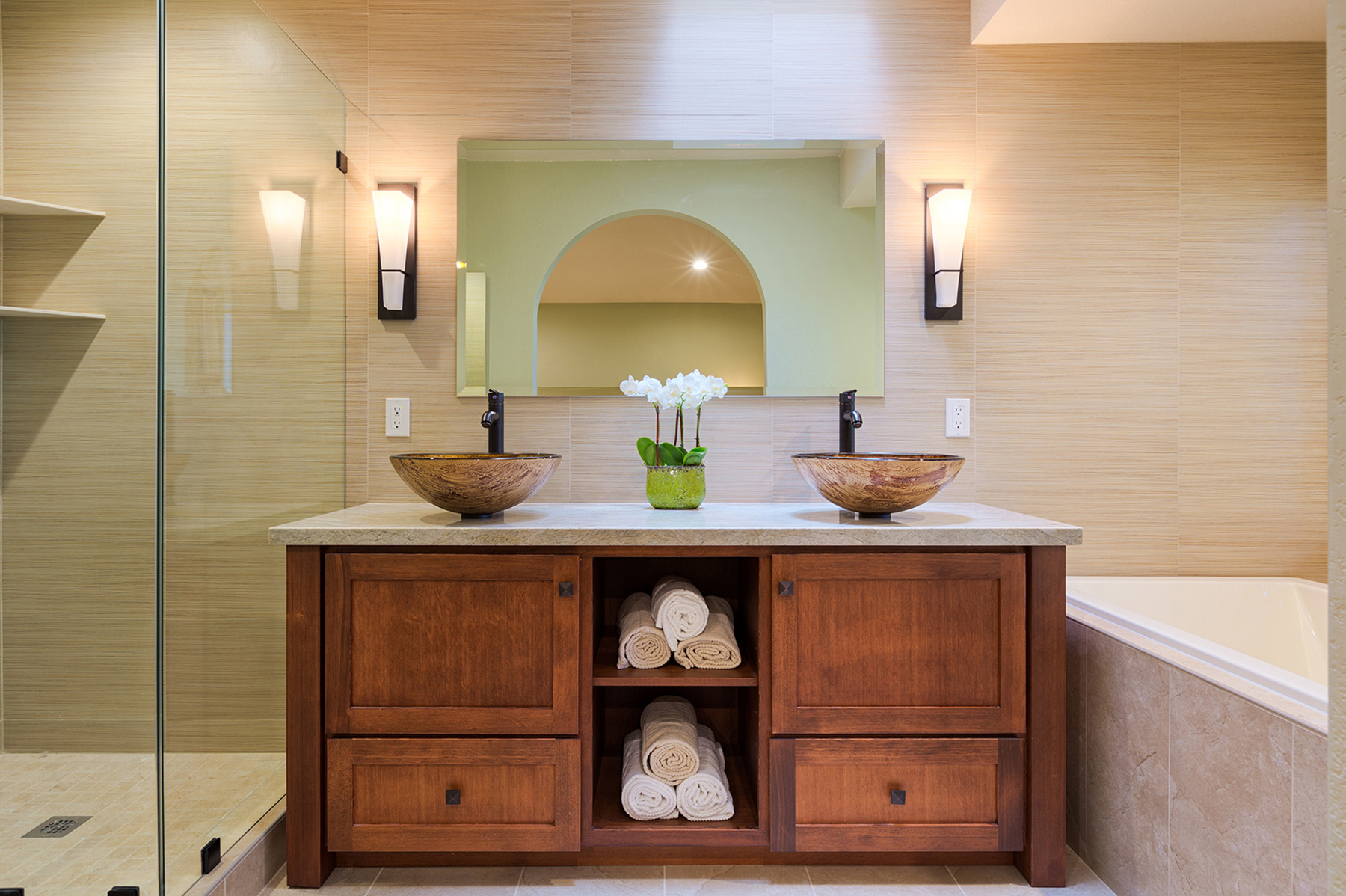
For as long as I can remember, I’ve been drawn to the quiet beauty of Japanese architecture. Growing up in Japan, I learned to appreciate spaces that feel calm, balanced, and deeply connected to nature. After moving to California and becoming an interior designer, I found myself equally inspired by Scandinavian interiors—their warmth, simplicity, and emphasis on everyday living. Long before the word Japandi became popular, I was naturally blending these two design philosophies in my projects. To me, it never felt like following a trend. It simply felt right. The award-winning Japanese-inspired bathroom shown above reflects many of the principles that define Japandi design—natural materials, thoughtful craftsmanship, simplicity, and a calming connection to nature. While this project is rooted in traditional Japanese design rather than Japandi, it illustrates the timeless values that both design philosophies share. Today, Japandi has become one of the most recognizable interior design styles, but many people misunderstand what it truly is. It’s much more than light wood furniture and neutral colors. At its core, Japandi is about creating a home that feels peaceful, functional, and timeless.
What Is Japandi Interior Design?
Japandi is the marriage of two design philosophies:
- Japanese minimalism, rooted in craftsmanship, simplicity, and a connection to nature.
- Scandinavian design, known for comfort, functionality, and effortless everyday living.
Although these cultures developed independently, they share many of the same values. Both embrace natural materials, uncluttered spaces, quality craftsmanship, and the belief that our homes should support our well-being.
Japanese culture celebrates wabi-sabi—finding beauty in authenticity, natural materials, and subtle imperfections.
Scandinavian culture embraces hygge—creating warmth, comfort, and a sense of contentment.
When combined, these ideas create interiors that feel serene without being cold and minimal without feeling empty.
Why Japandi Continues to Grow in Popularity
Unlike many decorating trends that quickly fade, Japandi has lasting appeal because it focuses on how people live rather than simply how a room looks. Today’s homeowners are seeking homes that feel calmer, more organized, and more intentional. They want spaces filled with quality materials instead of unnecessary possessions and designs that support everyday living. That philosophy aligns perfectly with Japandi. Rather than constantly replacing furniture or chasing the latest trend, Japandi encourages investing in timeless pieces that will age beautifully for years.
The Essential Elements of Japandi Design
Natural Materials
Wood, stone, linen, cotton, bamboo, and handmade ceramics are at the heart of Japandi interiors. These materials add warmth and texture while strengthening the connection between the home and nature.
Simplicity with Purpose
Every object should have a purpose. Instead of filling shelves with decorative accessories, Japandi emphasizes carefully selected pieces that are both beautiful and functional.
Warm Neutral Color Palette
Soft whites, warm beige, sand, taupe, greige, muted greens, charcoal, and earthy browns create a calming foundation. Black is often used sparingly to provide contrast and definition.
Quality Craftsmanship
Japandi values craftsmanship over mass production. Handmade furniture, natural finishes, and thoughtfully crafted details create homes with character that stand the test of time.
Clean Architectural Lines
Simple forms, balanced proportions, and uncluttered layouts allow each element to breathe. The goal isn’t emptiness—it’s creating spaces that feel intentional, welcoming, and peaceful.
My Approach to Japandi Design
As a Japanese interior designer based in Walnut Creek, California, I don’t see Japandi as a decorating style that can be achieved simply by purchasing the “right” furniture. True Japandi begins with the architecture of the home. Before selecting finishes or furnishings, I focus on improving how the space functions. That may mean rethinking the layout, maximizing natural light, simplifying visual clutter, or creating better flow between rooms. Only then do the materials, colors, and furnishings come together naturally. The result is a home that not only looks beautiful but also feels peaceful to live in every day.
How to Bring Japandi Into Your Home
If you’re inspired by Japandi, here are a few ways to incorporate its principles into your home:
- Declutter and keep only what serves a purpose or brings you joy.
- Choose natural materials such as wood, linen, wool, bamboo, and stone.
- Invest in fewer, higher-quality furnishings instead of filling every corner.
- Use a calming palette of warm neutrals with subtle earthy accents.
- Bring nature indoors with plants, natural light, and organic textures.
- Select handcrafted pieces that tell a story and age beautifully.
- Prioritize thoughtful space planning over simply following decorating trends.
Timeless Design Never Goes Out of Style
One of the reasons I continue to love Japandi is because it isn’t about perfection. It’s about creating a home that supports your daily life—a place where you can slow down, feel grounded, and appreciate the beauty of thoughtful design. Whether I’m designing a whole-home renovation, a kitchen remodel, or a bathroom transformation, my goal is always the same: to create spaces that feel calm, functional, and enduring. For me, that’s what Japandi has always been about.
*Featured Photo: Award-winning Japanese-inspired bathroom designed by Yoko Oda Interior Design. While rooted in traditional Japanese design, this space reflects many of the timeless principles shared with Japandi, including natural materials, simplicity, and thoughtful craftsmanship.