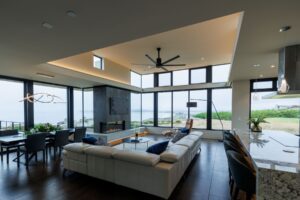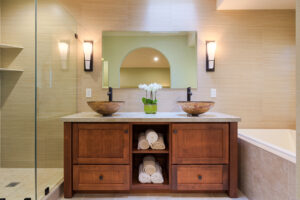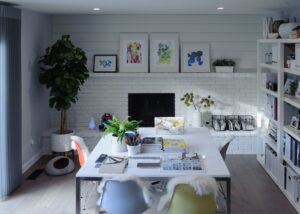
A beautifully designed room is about more than furniture, finishes, and a well-planned floor plan. The final layer—the art, objects, books, textiles, and personal pieces—can be what gives a home its character. Think of a room the way you might think about an outfit. A classic blouse and jeans can look perfectly polished on their own, but the right jewelry, shoes, and accessories make the look feel distinctly yours. A home works in much the same way. The architecture and furnishings create the foundation. Styling adds the personality. A thoughtfully designed space can have beautiful proportions, carefully selected materials, and a functional layout, yet still feel unfinished without those final details. A sculptural vase, a stack of favorite books, a beautiful tray, or a meaningful object collected while traveling can completely change how a room feels. For me, interior styling is not about filling every surface. It is about choosing the right pieces—and knowing when to stop.
What Is Interior Styling?
Interior styling is the art of bringing together the smaller details that make a room feel layered, intentional, and personal. Interior design encompasses the larger picture: space planning, architecture, materials, lighting, cabinetry, furnishings, and function. Styling focuses on the visual and emotional details that bring the finished space to life.
That might include:
- Art and decorative objects
- Pillows and throws
- Books and accessories
- Vases and vessels
- Tabletop pieces
- Plants and flowers
- Decorative lighting
- Personal collections and meaningful objects
The distinction is useful, but the two work beautifully together. In a full-service interior design project, styling should not be an afterthought. It should be considered as part of the overall design so that the furnishings, materials, artwork, and accessories feel connected rather than collected at random. The goal is not simply to make a room look beautiful. It is to create a home that feels like it belongs to the people who live there.
Why the Finishing Touches Matter
One of the easiest ways to understand the importance of styling is to look at an interior photograph. Think about the rooms that immediately catch your attention in a design magazine or online. The furniture may be beautiful, but look closer. There are usually layers of smaller details—a stack of books, a piece of artwork, flowers in a simple vessel, or a carefully chosen object. Those details create depth. Without them, even a beautifully furnished room can feel a little flat. Styling also helps connect the different elements of a room. A color found in artwork might be repeated subtly in a pillow. The warmth of a wood finish might be echoed in a decorative bowl. A sculptural accessory might complement the shape of a lighting fixture. Nothing has to match perfectly. In fact, a room is often more interesting when it doesn’t. The objective is to create visual relationships between the elements so the room feels cohesive without feeling overly coordinated.
A Real-Life Example: Thoughtful Living in Lafayette
In my Thoughtful Living project in Lafayette, California, the details play an important role in creating a home that feels polished while still personal and inviting.
The larger design decisions establish the foundation, but it is the combination of artwork, accessories, textiles, and carefully selected objects that gives the rooms their finished character.
This is an important part of my approach to interior design. I don’t view styling as something that happens after the design is complete. It is part of the process of creating a cohesive interior from the beginning. Every layer should support the larger design while still allowing the personality of the homeowners to come through.
Styling a Coffee Table
The coffee table is one of the most natural places to begin when thinking about interior styling.
Because it sits at the center of a seating area, it is often one of the first places your eye lands. But styling a coffee table does not mean covering every inch of its surface.
A beautiful arrangement might include a combination of:
- A decorative tray
- Coffee table books
- A vase or vessel
- Fresh flowers or greenery
- A candle
- A sculptural object
- Something personal or collected
The key is balance. Varying heights, shapes, textures, and materials creates visual interest. A low stack of books can be paired with a taller vase. A smooth ceramic object might be balanced by the texture of a woven tray or a natural material. And there should always be enough open space to actually use the table. The best styling feels effortless—not like every object was placed there simply to decorate.
Styling Open Shelves and Bookcases
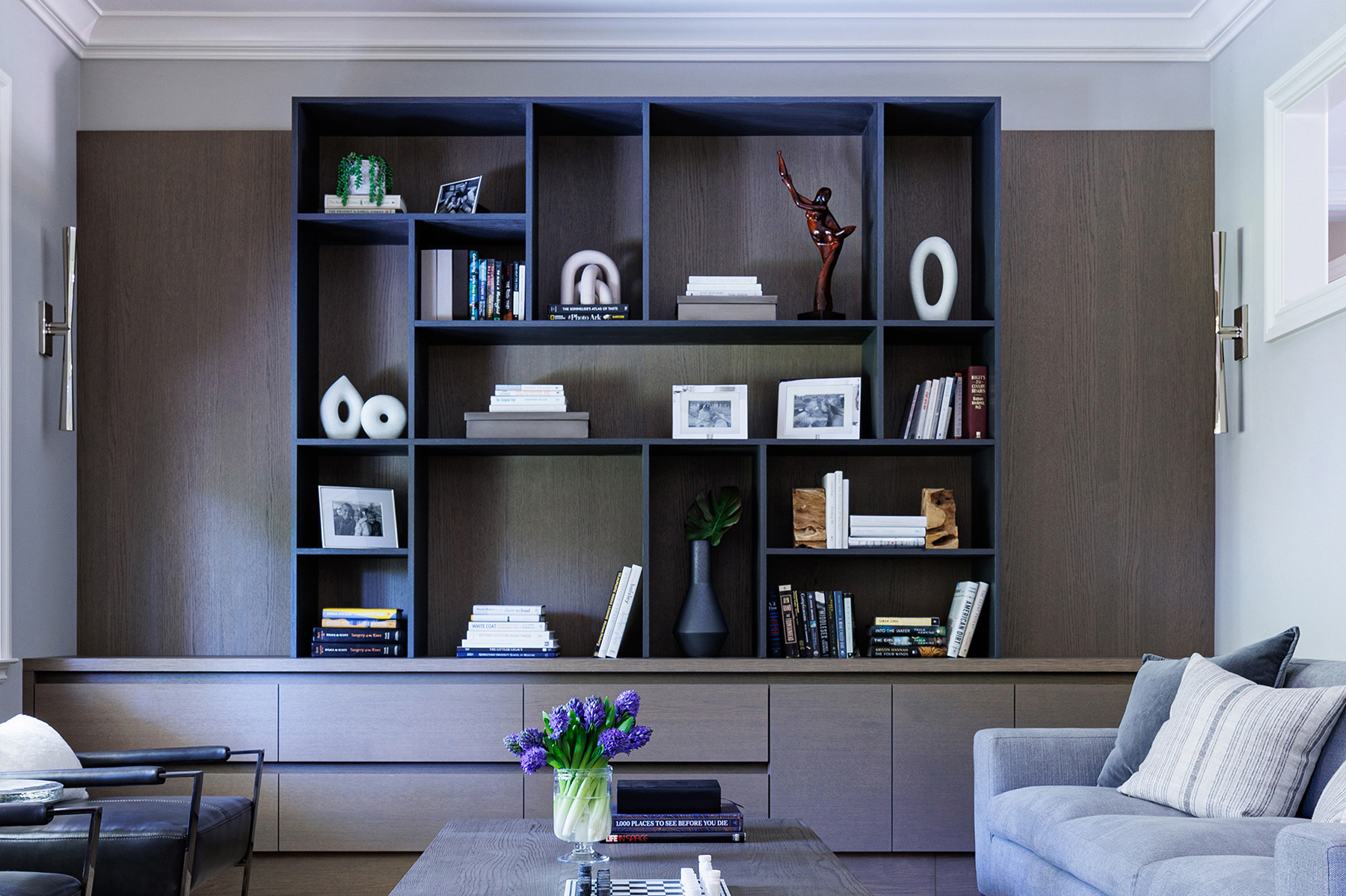
Open shelving provides another opportunity to bring personality into a home, but it can also become overwhelming quickly. Rather than displaying everything you own, think of open shelving as a place to showcase what you truly love. Favorite books might sit alongside a piece of art, a collection of ceramics, a travel memento, or a sculptural object. Repeating a material or color in subtle ways can help the shelves feel cohesive, while varying scale keeps them from looking too predictable. I also like combining objects with negative space. Not every shelf needs to be full. That breathing room is important. For a more personal result, mix decorative pieces with objects that actually mean something to you. A photograph from a favorite trip, a collection gathered over the years, or a treasured book can tell a story that no purely decorative accessory can. This is where a house begins to feel like a home.
The Art of Editing
Good styling is as much about what you leave out as what you add. When a room feels unfinished, the instinct is often to buy more accessories. But more is not necessarily better. Before adding another object, consider whether the room already has enough visual interest. Is there too much of one color? Are all the accessories the same height? Is every surface filled? Does the room have enough contrast and negative space? Sometimes removing three things will improve a room more than adding three new things. This is one reason professional interior styling can make such a difference. An experienced designer can step back from the room and see the composition as a whole—not just each individual object.
Make It Personal
The most successful interiors don’t look like they came directly from a showroom. They feel collected over time. That might mean combining contemporary furnishings with an antique piece, placing family photographs alongside modern artwork, or incorporating objects from travels and personal collections. Your home should reflect your life, not simply a design trend. The styling process is an opportunity to bring together all of those layers. A carefully edited bookcase, a beautifully composed coffee table, or a single meaningful object can reveal something about the people who live there. These details may be small, but they can have a surprisingly powerful impact.
The Finishing Layer of a Thoughtfully Designed Home
Interior styling may be the final layer, but it should never feel like an afterthought. The most successful interiors are designed as a whole—from the way the rooms function to the materials, furnishings, lighting, artwork, and smallest decorative details. When those elements work together, the result is more than a beautiful room. It is a home with a sense of identity. As an East Bay interior designer, I believe the most memorable homes are not the ones with the most decoration. They are the ones where every element feels considered—and where the final details reveal something about the people who live there.
Good design creates the foundation. Thoughtful styling makes it yours.
*Featured Photo: Thoughtful Living, Lafayette, CA — Design & Photo by Yoko Oda Interior Design.