Nature has always been at the heart of great architecture and interior design. Long before biophilic design became a popular term, architects understood that homes filled with natural light, authentic materials, fresh air, and a connection to the outdoors simply feel better to live in. Today, as we spend more time indoors than ever before, these timeless design principles are more important than ever. Biophilic interior design isn’t about following a trend—it is about creating homes that support the way we naturally live.
What Is Biophilic Interior Design?
The word biophilia means “love of nature.” In interior design, biophilic design is the practice of incorporating natural elements into our homes to strengthen our connection to the natural world. Research suggests that incorporating natural elements into indoor environments can support well-being by reducing stress, improving mood, and creating more restorative spaces. While commercial spaces often showcase dramatic living walls or elaborate water features, biophilic design in a home does not need to be extravagant. In fact, I believe the most successful interiors are often the most understated. A thoughtfully designed home does not need to imitate nature—it simply needs to feel connected to it. Through intentional design decisions, we can create spaces that are calm, welcoming, functional, and timeless.
Four Ways to Bring Nature Into Your Home
1. Bring Greenery Indoors
Plants are one of the easiest ways to create a connection with nature. Whether you choose living plants or high-quality artificial greenery, they introduce softness, texture, and a sense of life into a room. If maintaining houseplants is not realistic, that is perfectly okay. Beautiful faux plants can still provide the visual warmth of nature while fitting your lifestyle.
2. Choose Authentic Natural Materials
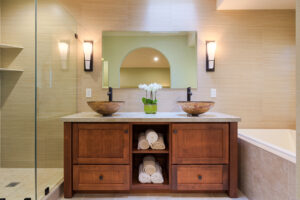
Natural materials add warmth, depth, and character that synthetic products often struggle to replicate. Wood flooring, natural stone, linen, wool, clay, woven fibers, and handcrafted ceramics create interiors that feel rich and inviting. They also age beautifully, giving your home lasting appeal rather than looking dated after a few years. Whenever possible, I encourage selecting authentic materials instead of imitations. Their natural variation is part of what makes a home feel unique and timeless.
3. Maximize Natural Light
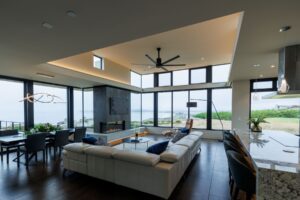
Natural light transforms how a home looks and feels. Thoughtfully placed windows, open sight lines, and light-filtering window treatments help create bright, inviting spaces while strengthening the connection between indoors and outdoors. Daylight not only enhances the beauty of your finishes and furnishings, but it also creates a more enjoyable environment for everyday living.
4. Use Colors and Forms Inspired by Nature
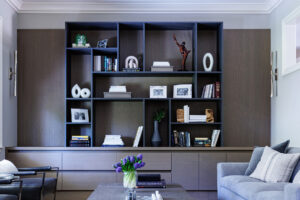
Nature offers one of the most timeless color palettes available. Warm whites, soft greens, earthy browns, muted blues, stone grays, and warm wood tones create interiors that feel balanced and enduring. Rather than following short-lived color trends, these palettes remain beautiful year after year. Organic forms also play an important role. Curved furniture, natural wood grain, textured fabrics, woven baskets, and handcrafted accessories introduce subtle variation that makes a home feel more relaxed and welcoming.
Biophilic Design Is About Balance
One of the biggest misconceptions about biophilic design is that it requires living walls, indoor waterfalls, or a home filled with plants. The reality is much simpler. A home filled with natural light, authentic materials, thoughtful textures, and a meaningful connection to the outdoors often creates a stronger sense of comfort than one filled with decorative elements alone. I have always believed that great design begins with understanding how people want to live. Every design decision—from space planning to material selection—should contribute to creating a home that is both beautiful and deeply livable. Biophilic design simply reminds us that our homes are at their best when they maintain a relationship with the natural world.
Featured in Diablo Magazine
I was honored to be featured in Diablo Magazine‘s Inspired by Nature article, where I shared my perspective on creating homes that feel connected to nature through thoughtful use of natural light, authentic materials, and timeless design.
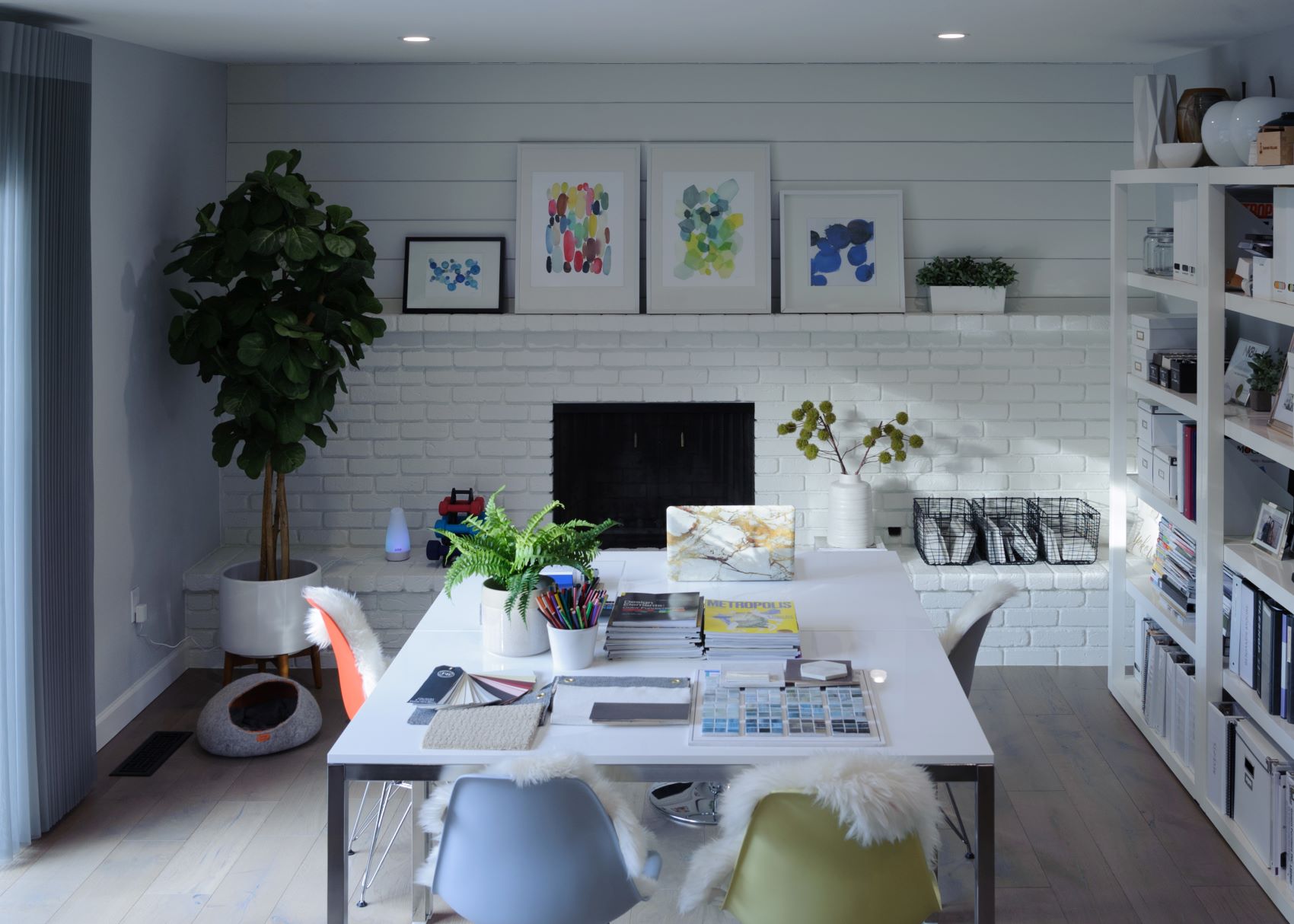
The featured image above was taken in my Walnut Creek design studio, where these same principles come together in a calm, light-filled workspace. Whether designing a renovation or a new residence, my goal is always the same: to create interiors that are rooted in architecture, refined for everyday living, and designed to stand the test of time.
Read the full Diablo Magazine feature.