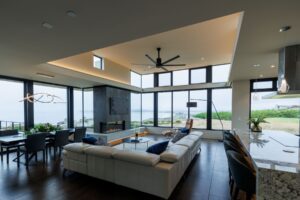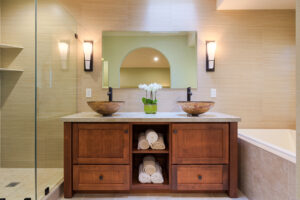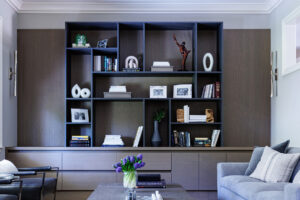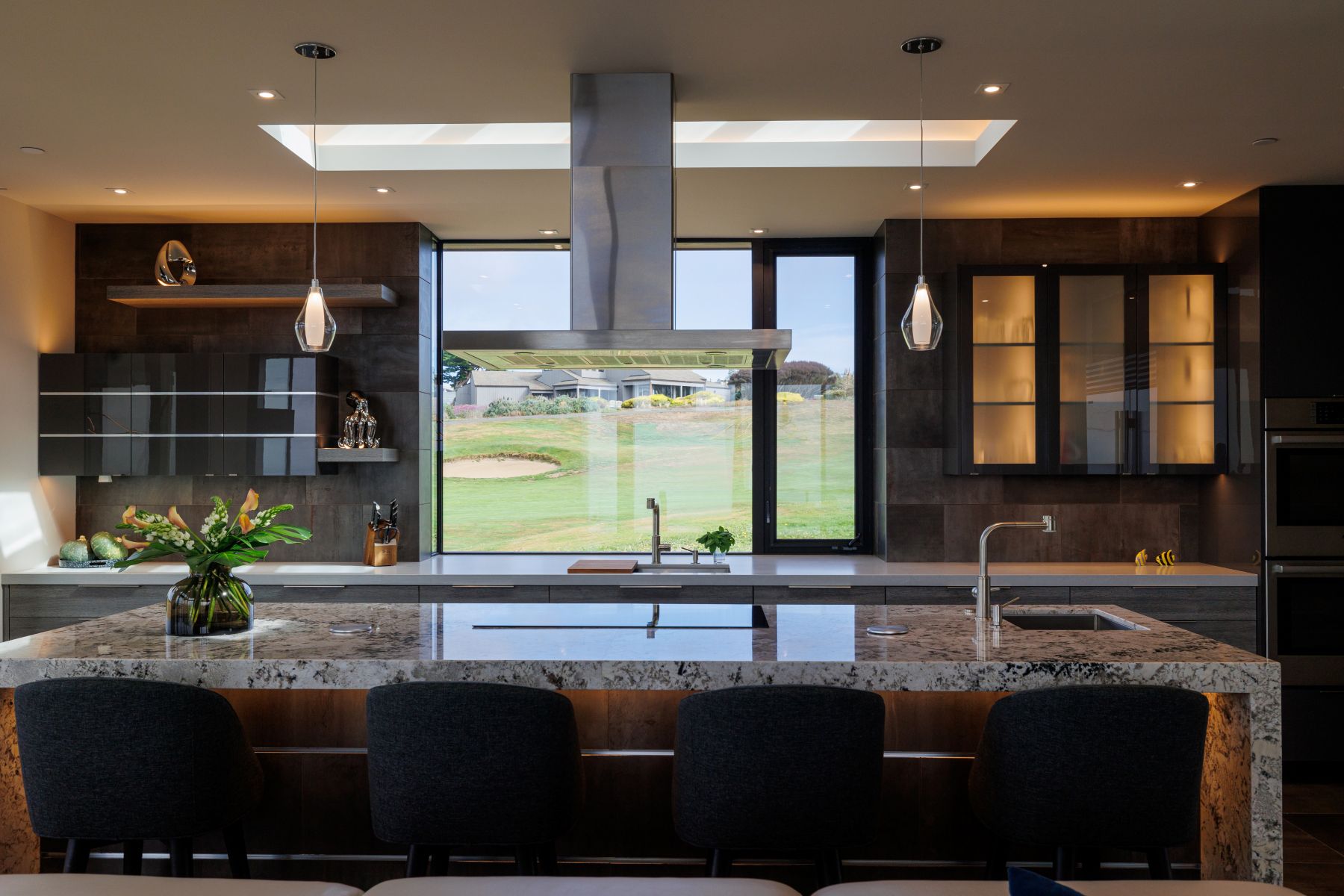
Planning a home renovation is exciting, but determining how much to invest can feel overwhelming. A thoughtfully designed renovation may involve architectural changes, custom cabinetry and millwork, natural stone, lighting, plumbing fixtures, flooring, furnishings, and many other elements that come together to create a cohesive home. A successful renovation begins with a realistic budget and a clear understanding of what you want to accomplish.
As an interior designer and renovation consultant, I approach budgeting as an integral part of the design process. The goal is to establish priorities early, understand where your investment matters most, and create a plan that supports both the architecture of your home and the way you want to live.
Start With Your Renovation Goals
Before thinking about individual finishes or products, define what you want your renovation to accomplish. Are you updating an outdated kitchen? Reconfiguring the floor plan? Creating a more functional home? Renovating several spaces at once? Or transforming the entire house? The scope of your renovation has a significant impact on the budget.
I recommend identifying the spaces you want to address and determining what matters most in each one. A kitchen renovation, for example, may involve custom cabinetry and millwork, stone countertops, appliances, lighting, plumbing, flooring, and architectural details. A living room may require custom built-ins, furnishings, lighting, window treatments, and carefully selected finishes.
When the goal is a fully considered interior, the individual elements should not be viewed in isolation. They need to work together as part of the larger design.
Establish the Overall Investment
One of the most common budgeting mistakes is choosing individual finishes before establishing the overall investment. It is easy to become focused on the price of a countertop, tile, faucet, or light fixture without understanding how that decision fits into the larger project. Instead, begin with the total amount you are comfortable investing in your home. Then consider how that investment should be distributed across the project. For a whole-house renovation, this means looking at the home as a complete environment rather than budgeting each room in isolation.
Your renovation budget may include:
- Interior design and consulting fees
- Architectural and engineering services, when applicable
- Construction and labor
- Custom cabinetry and millwork
- Plumbing fixtures
- Appliances
- Natural stone and other countertop materials
- Flooring
- Tile
- Architectural and decorative lighting
- Plumbing and electrical work
- Paint and wall finishes
- Doors and hardware
- Window treatments
- Custom and ready-made furnishings
- Art and accessories
- Delivery and installation
- Permits and other project-related costs
The exact categories will vary depending on the scope of your renovation. This is why a project-specific budget is more useful than relying on a generic cost-per-square-foot number.
Prioritize Where Your Investment Matters Most
Not every part of a renovation needs to receive the same level of investment. This is where thoughtful design can make a significant difference. You may decide that custom cabinetry, natural stone, and architectural lighting are important to you in the kitchen, while a secondary bathroom can take a more restrained approach. Or you may prioritize custom built-ins and furnishings in your main living spaces because they have a greater impact on how your home functions and feels.
A good budget is not simply about spending less. It is about spending intentionally. I look at a renovation through the lens of function, proportion, material quality, craftsmanship, longevity, and how a space will be used. The goal is to identify where an investment will have lasting value and where a more restrained approach makes sense.
Understand the Value of Custom Design
For a truly custom renovation, many of the most important elements are designed specifically for the home rather than selected from a standard catalog. Custom cabinetry and millwork can be designed around the architecture of the room, the proportions of the space, your storage needs, and the way you live. Details such as door styles, hardware, interior organization, finishes, built-ins, paneling, and integrated features can all be considered as part of the larger design. This level of customization is particularly important in kitchens, bathrooms, libraries, living spaces, mudrooms, and other areas where built-in elements are central to the design.
Custom does not simply mean adding more detail. It means creating something that belongs specifically to the home. Because these elements are made to order, they also need to be considered early in the design process. Their dimensions, materials, construction, and relationship to the architecture can influence many other decisions throughout the renovation.
Build the Budget Around the Design
A renovation budget should evolve as the design develops. Once the scope and priorities are established, individual selections can be evaluated against the overall investment. This is where detailed budgeting becomes especially valuable.
In my full-service interior design projects, the design encompasses the complete interior, including custom cabinetry and millwork, architectural details, materials and finishes, lighting, furnishings, and styling. Each element is considered in relationship to the others rather than as a series of independent purchases. This approach allows the budget to support a cohesive design from the beginning. A beautiful design that cannot be realized within the available investment is not a successful design. The most effective approach is to understand the budget early and use it to guide the design.
Don’t Forget the Cost of Quality and Craftsmanship
There is often a significant difference between the initial price of a product and its long-term value. Materials such as natural stone, hardwood, solid metals, quality cabinetry, custom millwork, and well-made furnishings can require a larger initial investment, but they can also provide greater durability, craftsmanship, and visual longevity. That does not mean every element of a renovation needs to be the most expensive option. Instead, I believe in choosing materials and products thoughtfully and understanding where quality and craftsmanship will make a meaningful difference.
Sometimes the right solution is an investment piece. Sometimes it is finding a beautifully designed alternative that achieves the desired result without compromising the overall design. The goal is balance, not excess.
Account for the Unexpected
Even the most carefully planned renovation can encounter unexpected conditions. Existing homes can reveal issues once walls, floors, or ceilings are opened. Structural conditions, outdated systems, water damage, and other unforeseen circumstances can affect the scope and investment. For this reason, I recommend maintaining a contingency within your overall renovation budget. As a general guideline, setting aside approximately 10% of the overall budget can provide a reasonable starting point, although the appropriate amount will vary depending on the age, condition, and complexity of the home.
A contingency is not money you expect to spend. It is money set aside so that an unexpected condition does not force you to compromise an important part of the design.
Consider the Entire Interior
Another common mistake is budgeting only for the construction portion of a renovation. The finished home is shaped by everything that comes together at the end of the process: custom millwork, furnishings, rugs, artwork, window treatments, decorative lighting, accessories, and styling. These elements should be considered early rather than treated as an afterthought. A renovation can have beautiful architectural finishes and still feel incomplete if the furnishings, lighting, and decorative elements were never considered as part of the overall design. A full-service interior design approach brings these layers together so the home feels intentional, cohesive, and complete.
Plan Before Construction Begins
The earlier you establish your renovation budget, the more useful it becomes. Ideally, the design team should have a clear understanding of the project’s scope and financial parameters before construction begins. This allows design decisions to be made with greater clarity and reduces the likelihood of making expensive changes later. It also gives you an opportunity to adjust the scope intentionally. If the initial design exceeds the budget, alternatives can be evaluated before construction rather than after decisions have already been made. Thoughtful planning gives you choices.
A Renovation Budget Is a Design Tool
I don’t think a renovation budget should be viewed simply as a financial limitation. A well-planned budget is a design tool. It helps establish priorities, guide material selections, evaluate alternatives, and make decisions with greater confidence. Most importantly, it allows the design to reflect what matters most to you rather than allowing the budget to be determined by a series of last-minute decisions.
At Yoko Oda Interior Design, full-service residential design encompasses the complete interior—from space planning and architectural details to custom cabinetry and millwork, materials and finishes, lighting, furnishings, and the final layers that make a home feel complete. The goal is not simply to create a beautiful renovation. It is to create a home that is thoughtfully designed around its architecture, refined for the way you live, and made to endure.
*Featured image by Yoko Oda Interior Design.