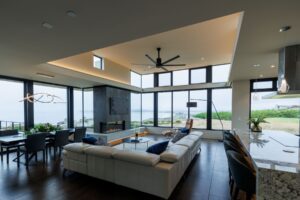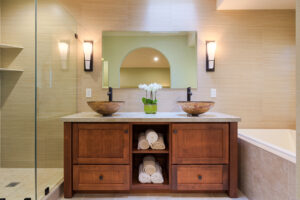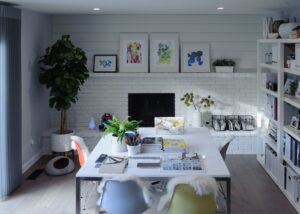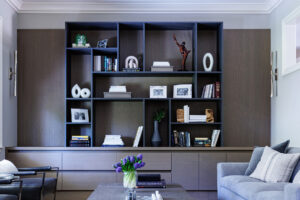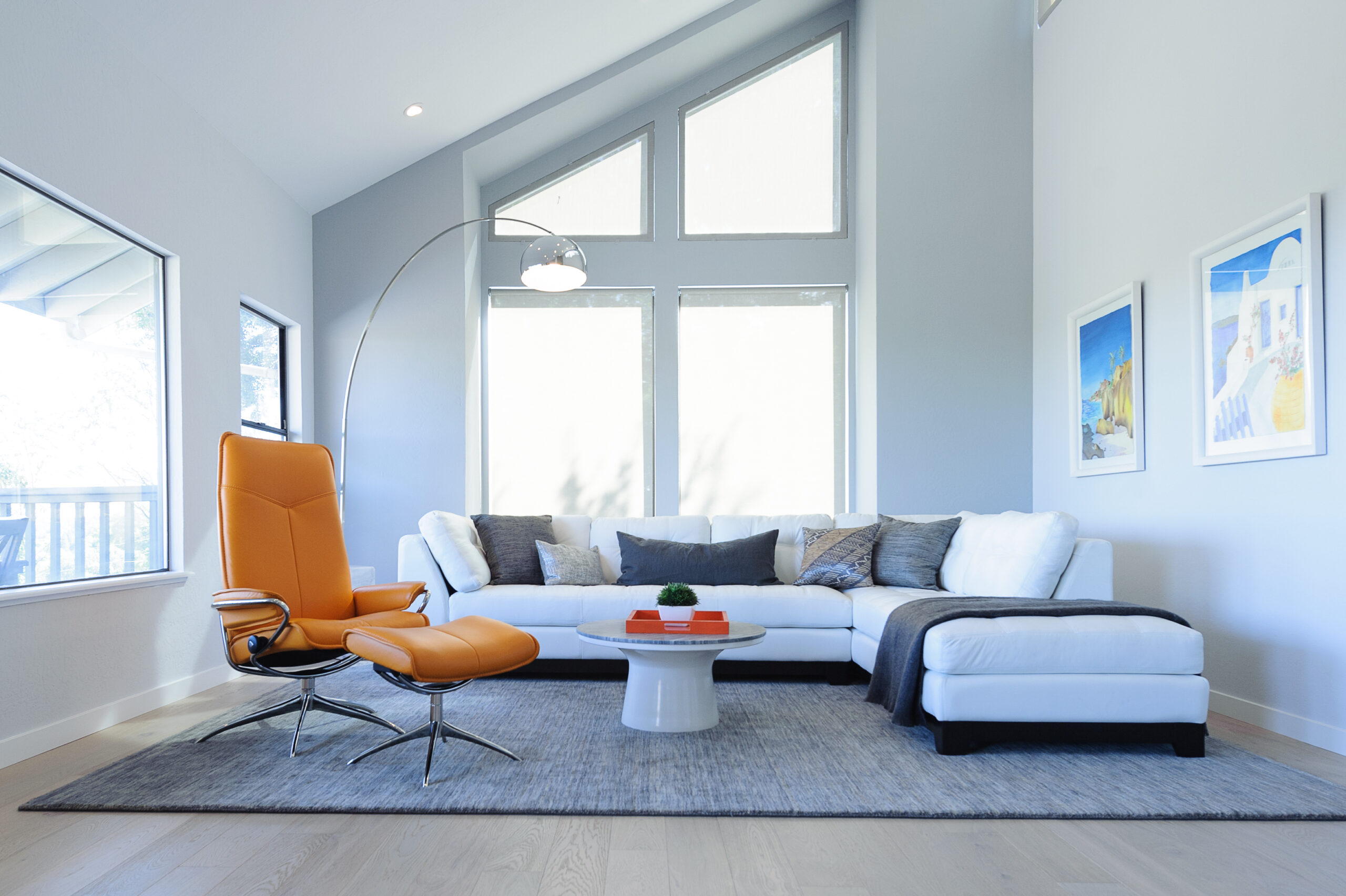
Hardwood flooring is one of the most influential materials in a home. Because it often extends across multiple rooms, its color, character, scale, and finish can shape the feeling of an entire interior. For me, choosing hardwood flooring is not simply about finding a beautiful wood. It is about understanding how the flooring will relate to the architecture, natural light, cabinetry, furnishings, and other materials throughout the home. The best flooring choices feel integrated rather than added as an afterthought. They support the architecture and create continuity from one space to the next.
Here are some of the considerations I discuss with clients when selecting hardwood flooring for a renovation or new home.
Start with the Architecture
Before choosing a wood species or finish, consider the architecture of the home. A flooring material that looks beautiful in a showroom may feel completely different once it is installed within a particular space. The proportions of the rooms, ceiling height, natural light, architectural details, and overall character of the home all influence the right choice.
In a Craftsman home, for example, a warm natural wood can reinforce the connection to the home’s original character. In a more contemporary interior, a quieter grain and restrained finish may complement clean architectural lines. The goal is not to make the flooring compete with the architecture. It should feel as though it belongs there.
Consider the Character of the Wood
Natural wood has variation, and that is part of its beauty. Different species have their own grain patterns, color variation, knots, and overall character. Some woods feel calm and understated, while others have a stronger visual presence. Think about how much movement you want in the room. If the interior already includes distinctive stone, patterned tile, detailed cabinetry, or expressive furnishings, a quieter flooring selection may provide the visual balance the space needs. If the rest of the palette is restrained, the natural character of the wood can become an important layer of texture. There is no universally best wood species. The right choice depends on the overall design.
Pay Attention to Plank Width and Scale
Plank width has a surprisingly strong effect on the way a room feels. Wider planks can create a quieter, more expansive appearance because there are fewer seams across the floor. Narrower planks can introduce more visual rhythm and may work beautifully in homes with a more traditional character. I always consider plank width in relation to the scale of the architecture rather than choosing a size simply because it is currently popular. The flooring should feel proportionate to the room.
Look Carefully at the Color
Flooring color should be considered as part of the entire material palette. Warm, natural wood tones can create an inviting foundation for a home, while lighter or more muted finishes can give an interior a quieter, contemporary feeling. In fact, the color of the floor should never be considered in isolation.
Look at the undertones of the cabinetry, stone, walls, doors, and furnishings. A floor that appears neutral on its own may reveal unexpected yellow, red, gray, or brown undertones when placed next to other materials. This is one reason I recommend evaluating flooring samples in the actual space and alongside the other materials being considered for the project. Natural light can also change the appearance of wood significantly throughout the day.
Think about the Finish and Sheen
The finish affects both the appearance and the everyday experience of hardwood flooring. A high-sheen floor can feel more formal and may emphasize reflections and surface imperfections. A lower-sheen finish tends to feel softer and more relaxed. For many of my projects, I prefer finishes that allow the natural character of the wood to remain visible without making the floor feel overly polished. A beautiful floor does not need to announce itself.
Consider How the Flooring Connects the Rooms
In a renovation, flooring often becomes one of the strongest elements connecting different areas of the home. When several rooms flow into one another, using a consistent flooring material can create a sense of continuity and make the architecture feel more cohesive. This is particularly important in open-plan homes. Rather than selecting flooring room by room, I recommend looking at the home as a whole. Consider the entry, living spaces, kitchen, dining areas, hallways, and other connected spaces together. The floor becomes a quiet thread that ties the interior together.
Design the Flooring with the Cabinetry and Millwork
Flooring and cabinetry occupy a significant amount of visual space, so their relationship deserves careful consideration. The wood tones do not necessarily need to match. In fact, using exactly the same wood throughout a room can sometimes make the design feel too uniform. A thoughtful contrast between flooring and cabinetry can create depth while still maintaining harmony. For example, warm stained white oak flooring can work beautifully with cabinetry in a related but distinct wood tone.
In my Lafayette project, warm stained white oak flooring works alongside custom white oak and maple cabinetry, architectural millwork, and natural textures to create a cohesive but layered interior.
Think about Your Lifestyle
Beautiful flooring also needs to work for the way you live. Hardwood is a natural material, so variation, aging, and some degree of wear are part of its character. The right choice depends on how the home is used, including the presence of children and pets, the amount of entertaining, and how much maintenance you are comfortable with. Rather than expecting a natural wood floor to remain perfectly untouched, I prefer to select materials that will age gracefully. The goal is a floor that becomes part of the story of the home rather than something you are constantly worried about protecting.
Consider the Flooring Alongside the Entire Material Palette
One of the most important principles I follow is to select materials together rather than one at a time. Flooring, cabinetry, countertops, stone, tile, paint, hardware, and furnishings all influence one another. A flooring sample may look perfect by itself but feel completely different when placed next to a particular countertop or cabinet finish. This is why material selection should be approached as a composition.
The most successful interiors are rarely built around one “perfect” material. Instead, they bring together a thoughtful combination of materials that differ in texture, tone, and character while still belonging to the same visual language.
Choose for Longevity Rather than Trends
Hardwood flooring is a significant investment, and it is one of the elements of a home that can remain for many years. For that reason, I encourage clients to look beyond what is trending. Trends can be useful sources of inspiration, but a timeless floor should work with the architecture of the home, complement the way the family lives, and provide a foundation for furnishings and finishes that may evolve over time.
In my Danville California Classic project, light gray-stained oak flooring was paired with white oak cabinetry, marble, limestone, and a restrained material palette. The flooring helps create a brighter, more cohesive interior without becoming the dominant feature of the room. That is the kind of longevity I look for in a material: beautiful today, but not dependent on a particular design trend.
The Best Flooring Supports the Design
Hardwood flooring may cover a large portion of your home, but that does not mean it needs to be the first thing you notice. When the species, scale, color, and finish are carefully considered in relation to the architecture and the rest of the interior, the flooring becomes part of a larger composition. It creates continuity, warmth, and a sense of permanence.
For me, that is what makes a hardwood floor successful. It is not simply beautiful on its own. It helps the entire home feel more considered.
*Featured project photography by Yoko Oda; Interior design by Yoko Oda Interior Design featuring hardwood flooring selected as part of a cohesive architectural and material palette.